
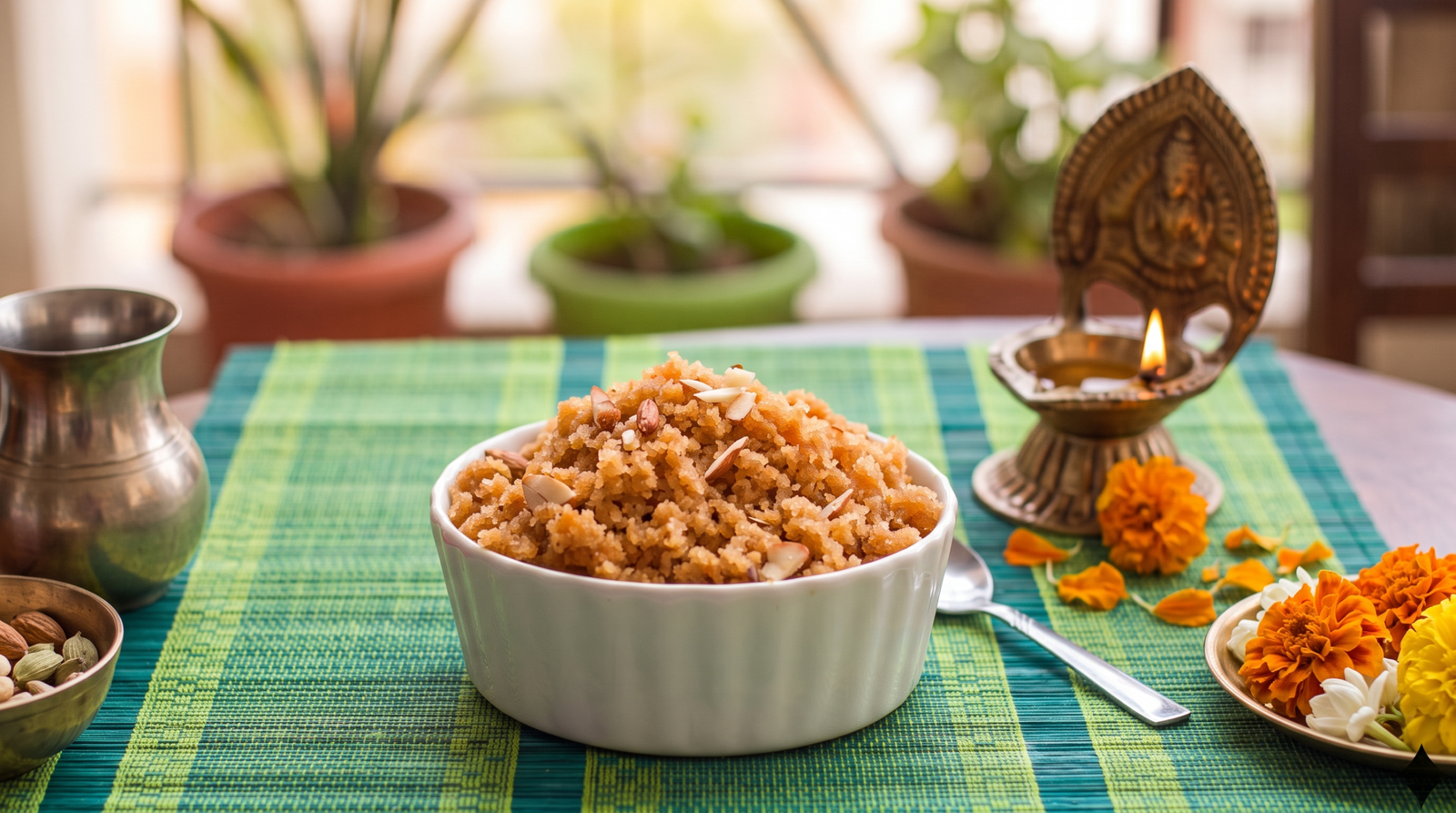
Laapsi recipe is a traditional Indian sweet made with broken wheat (dalia), ghee, jaggery or sugar, and aromatic spices. Popular in Gujarati and Rajasthani households, this comforting dessert is especially prepared during festivals, religious ceremonies, family celebrations, and special occasions. Its rich aroma, soft texture, and delicious caramel-like sweetness make it a favourite among people who enjoy authentic Indian homemade sweets.
This laapsi recipe explains how to prepare traditional Gujarati lapsi with jaggery using simple ingredients and easy cooking techniques. Whether you want to make a classic Kathiyawadi lapsi, try a convenient pressure cooker version, or explore a Rajasthani-style preparation, you will find everything you need in this guide.
The best part is that you do not need complicated ingredients or advanced cooking skills. With properly roasted broken wheat, fresh ghee, and good-quality jaggery, you can prepare a delicious bowl of homemade lapsi right in your kitchen.
What Is Laapsi?
Laapsi, also spelled lapsi or lapi, is a traditional Indian sweet prepared by roasting broken wheat in ghee and cooking it with water until tender. Jaggery or sugar is added to give it sweetness, while cardamom and nuts provide extra flavour.
In Gujarat, lapsi recipe Gujarati style commonly features broken wheat, ghee, and jaggery. It is often served during auspicious occasions and festive meals. In Rajasthan, lapsi is also a well-loved traditional dessert, although the ingredients, sweetness, and texture may vary between households.
Lapsi in English
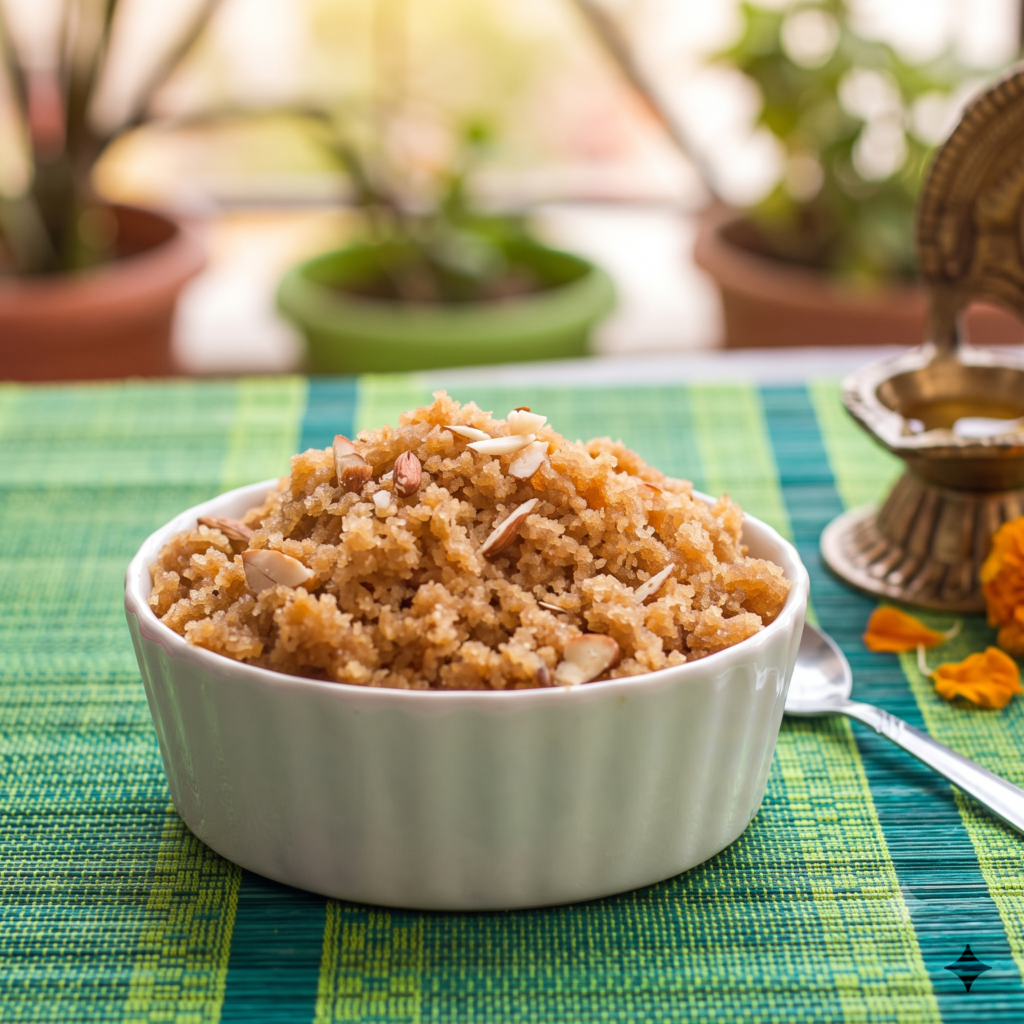
In English, lapsi is best described as a sweet broken wheat pudding or sweet cracked wheat dessert. Broken wheat is also known as dalia, making lapsi a simple yet satisfying dessert made from a familiar pantry ingredient.
Unlike smooth rice pudding, lapsi has a slightly grainy texture. When cooked correctly, the wheat becomes tender and absorbs the sweetness of jaggery and the richness of ghee.
Gujarati Lapsi Recipe With Jaggery

This Gujarati lapsi recipe with jaggery is ideal for anyone who loves traditional homemade Indian sweets. Roasting the broken wheat in ghee gives it a nutty aroma, while jaggery adds a deep, earthy sweetness.
Recipe at a glance
Preparation time
5–10 minutes
Cooking time
25–35 minutes
Servings
3–4 people
Difficulty
Easy
Cooking method
Stovetop or pressure cooker
Ingredients for Gujarati Lapsi
The following quantities make approximately three to four servings.
| Ingredient | Quantity |
|---|---|
| Coarse broken wheat (dalia) | 1 cup |
| Ghee | 4 tablespoons |
| Jaggery, grated or chopped | ¾ cup |
| Water | 3–4 cups, as needed |
| Green cardamom powder | ¼ teaspoon |
| Chopped almonds | 1 tablespoon |
| Chopped cashews | 1 tablespoon |
| Raisins | 1 tablespoon |
| Nutmeg powder (optional) | A pinch |
Helpful tip: Start with three cups of water and keep a little extra hot water ready. Different varieties of broken wheat absorb different amounts of liquid.
How to Make Laapsi Step by Step
Step 1: Prepare the broken wheat
Measure one cup of coarse broken wheat. Remove any unwanted particles and rinse it quickly if necessary. Drain thoroughly before roasting.
Allow the wheat to dry as much as possible so it roasts evenly instead of steaming in the ghee.
Step 2: Roast the broken wheat in ghee
Heat four tablespoons of ghee in a heavy-bottomed pan over medium-low heat. Add the broken wheat and stir continuously.
Roast for approximately 8–12 minutes, depending on the grain size and heat. The wheat should turn light golden brown and release a pleasant nutty aroma.
Why roasting matters
Roasting is one of the most important steps in a traditional lapsi recipe. It enhances the flavour, gives the dessert its characteristic aroma, and helps prevent a raw wheat taste in the finished dish.
Be patient and avoid high heat, as the grains can burn before the inside cooks properly.
Step 3: Add hot water carefully
Warm three cups of water separately. Slowly pour the hot water into the roasted wheat while stirring carefully to prevent lumps and reduce splashing.
Bring the mixture to a gentle boil. Reduce the heat, cover the pan partially, and cook for approximately 20–30 minutes, stirring occasionally.
If the water dries up before the wheat becomes tender, add a little more hot water.
Step 4: Check the texture
Taste a few grains to check whether the wheat is fully cooked. It should be soft and tender, with a slight bite if you prefer a traditional grainy texture.
If the grains remain hard, continue cooking with additional hot water. Do not add jaggery too early, as it can make it harder to judge the cooking time and tenderness of the wheat.
Step 5: Add jaggery
Once the broken wheat is tender, add the grated jaggery and stir until it dissolves.
Cook over low heat for another 5–8 minutes, stirring regularly. The mixture will gradually thicken as the jaggery blends with the cooked wheat and ghee.
For a cleaner texture, you can dissolve the jaggery in a little warm water separately and strain it before adding it to the pan.
Step 6: Add cardamom and nuts
Add cardamom powder, chopped almonds, cashews, and raisins. If you enjoy a richer aroma, add a tiny pinch of nutmeg powder.
Mix everything well and cook for another minute or two.
Step 7: Serve warm
Turn off the heat and let the lapsi rest for five minutes. It will thicken slightly as it cools.
Serve warm in small bowls, garnished with additional nuts if desired. Your homemade Gujarati lapsi with jaggery is ready to enjoy.
Lapsi Recipe in Cooker: Quick and Easy Method
If you want to save time, try this lapsi recipe in cooker. A pressure cooker softens the broken wheat faster than the traditional stovetop method, making it a convenient choice for busy days and festive cooking.
Ingredients for Cooker Lapsi
- 1 cup coarse broken wheat
- 3 tablespoons ghee
- ¾ cup grated jaggery
- 2 cups water for pressure cooking, plus extra if required
- ½ teaspoon cardamom powder
- 2 tablespoons chopped nuts and raisins
Method to Make Gujarati Lapsi With Jaggery in Cooker
Step 1: Roast the wheat
Heat ghee in a pressure cooker over medium-low heat. Add broken wheat and roast for 5–8 minutes, stirring continuously until aromatic and lightly golden.
Step 2: Add water
Pour in two cups of hot water and stir carefully. Close the lid and pressure cook for approximately 3–4 whistles over medium heat, depending on the cooker and grain size.
Allow the pressure to release naturally before opening the lid. Always follow your pressure cooker’s safety instructions.
Step 3: Add jaggery
Check whether the wheat is tender. If it is still firm, add a little hot water and cook until soft. Stir in the jaggery and cook uncovered over low heat until it dissolves completely.
Step 4: Finish with cardamom
Add cardamom powder, nuts, and raisins. Mix well and cook for another 2–3 minutes until the mixture reaches your preferred consistency.
Your Gujarati lapsi recipe with jaggery in cooker is ready to serve.
Important tip: Whistles and cooking times vary with the pressure cooker and broken wheat. Use the grain’s tenderness as your final guide rather than relying on whistle count alone.
Kathiyawadi Lapsi Recipe
The Kathiyawadi lapsi recipe follows the same traditional principle of roasting wheat in ghee and cooking it until tender. Its charm lies in its simple ingredients and rich homemade flavour.
For a traditional-style version, use coarse broken wheat, good-quality ghee, jaggery, and a small amount of cardamom. Some families prefer a more pronounced ghee flavour, while others keep the recipe simple without adding many nuts or spices.
Tips for Authentic Kathiyawadi Flavour
- Roast the broken wheat slowly to develop a deep, nutty aroma.
- Use jaggery for a traditional earthy sweetness.
- Add extra ghee when serving if you enjoy a richer preparation.
- Keep the grains tender but not excessively mushy.
- Serve warm as part of a festive or traditional Gujarati meal.
The exact recipe can differ between families, so adjust the sweetness and ghee to suit your household’s preferences.
Rajasthani Lapsi Recipe
The Rajasthani lapsi recipe is another popular preparation of this traditional Indian sweet. Like Gujarati lapsi, it generally uses broken wheat, ghee, and a sweetener, although family recipes may differ in their proportions and finishing ingredients.
How to Make Rajasthani-Style Lapsi
- Heat ghee in a heavy-bottomed pan and roast coarse broken wheat until golden.
- Add hot water and simmer until the grains soften.
- Stir in jaggery or sugar according to your preference.
- Cook gently until the sweetener blends with the wheat.
- Add cardamom, raisins, or chopped nuts if desired.
- Serve warm with a little extra ghee.
Some traditional versions use fewer ingredients to highlight the roasted wheat and ghee. Others include nuts and aromatic spices for a festive touch.
Wheat Flour Lapsi Recipe
A wheat flour lapsi recipe is a useful variation when you do not have broken wheat at home. However, it is important to understand that the texture differs from traditional fada lapsi.
Broken wheat produces a grainy, slightly chewy dessert. Coarse wheat flour or bhakhri flour creates a more granular, halwa-like preparation, often associated with Gujarati kansar-style sweets.
Ingredients
- 1 cup coarse whole wheat flour
- 3 tablespoons ghee
- ½–¾ cup jaggery
- 1½–2 cups water, adjusted as needed
- ¼ teaspoon cardamom powder
Preparation Method
- Heat the ghee in a pan and add the coarse wheat flour.
- Roast over low heat, stirring continuously until fragrant and golden.
- In another pan, warm the water with jaggery until the jaggery dissolves.
- Carefully pour the liquid into the roasted flour while stirring to avoid lumps.
- Cover and cook on low heat until the flour absorbs the liquid.
- Add cardamom powder and mix thoroughly.
- Serve warm with a little extra ghee if desired.
Choose coarse flour rather than very fine flour for a more traditional texture.
Tips for Making Perfect Laapsi Every Time
Even though this recipe uses simple ingredients, a few small techniques can make a noticeable difference.
1. Choose the right broken wheat
Coarse broken wheat is ideal for traditional lapsi because it holds its shape after cooking. Very fine dalia may cook faster and produce a softer, porridge-like consistency.
2. Do not rush the roasting
The roasted aroma gives lapsi its signature flavour. Stir continuously and keep the heat moderate to prevent burning.
3. Adjust the jaggery
Different varieties of jaggery have different sweetness levels. Begin with the recommended amount and add more if needed.
4. Add liquid gradually
If the wheat is still hard, add hot water in small amounts. This allows you to control the texture without making the dessert too watery.
5. Add jaggery after the wheat softens
Cooking the wheat until tender before sweetening makes the process easier to manage. If you prefer a clearer jaggery flavour, dissolve and strain the jaggery separately before adding it.
6. Let the lapsi rest
Allowing the finished dish to rest for five minutes helps the liquid distribute evenly. Remember that lapsi thickens as it cools.
What to Serve With Gujarati Lapsi
Gujarati lapsi tastes delicious on its own, but it can also be included in a traditional meal.
- Gujarati thali: Serve it as a sweet course alongside a traditional meal.
- Puri or rotli: Enjoy a small portion as part of a festive spread.
- Extra ghee: Add a teaspoon on top for a richer flavour.
- Chopped nuts: Garnish with almonds, cashews, or pistachios for extra crunch.
- Warm milk: A small serving of milk alongside lapsi can complement its sweet, roasted flavour.
Storage and Reheating Tips
Freshly prepared lapsi tastes best when served warm. If you have leftovers, allow them to cool and transfer them to a clean, airtight container.
- Refrigeration: Store in the refrigerator and consume within about 3–4 days.
- Reheating: Warm gently in a pan with a splash of water until soft.
- Microwave: Heat in short intervals, stirring between intervals. Add a little water if the mixture seems dry.
- Freezing: Freezing is possible, although the texture may change slightly after thawing.
Avoid leaving cooked lapsi at room temperature for extended periods. Refrigerate leftovers promptly and discard them if they show signs of spoilage.
Frequently Asked Questions About Laapsi Recipe
1. What is lapsi in English?
Lapsi is commonly described as sweet broken wheat pudding or a cracked wheat dessert. It is made by cooking broken wheat with ghee, water, and jaggery or sugar.
2. Is lapsi and dalia the same?
Dalia refers to broken wheat, while lapsi is a sweet dish prepared using broken wheat. The two terms are related but do not mean the same thing.
3. Can I make Gujarati lapsi without jaggery?
Yes. You can use sugar instead of jaggery. The flavour and colour will be different, but the dessert will still be delicious.
4. How much water is required for lapsi?
For one cup of coarse broken wheat, start with approximately three cups of water for stovetop cooking. You may need more depending on the grain size and the desired softness.
5. How many whistles are needed for lapsi in a pressure cooker?
Approximately 3–4 whistles over medium heat is a useful starting point. Cooking time depends on your cooker and the type of broken wheat, so check that the grains are tender before adding jaggery.
6. Can I make lapsi with wheat flour instead of broken wheat?
Yes. Coarse whole wheat flour can be used to make a lapsi-like sweet. The result will be more similar to a halwa or kansar-style preparation than traditional broken wheat lapsi.
7. Why is my lapsi hard even after cooking?
The wheat may need more water or additional cooking time. Add some hot water, cover the pan, and continue cooking over low heat until the grains soften.
8. Why does my lapsi become dry after cooling?
Broken wheat continues to absorb moisture as the dessert rests. Reheat it with a small splash of water and stir until it reaches the desired consistency.
9. Is Gujarati lapsi prepared for festivals?
Yes. Many Gujarati families prepare lapsi for religious offerings, festivals, and auspicious occasions. The exact traditions vary from family to family.
10. Is lapsi a healthy dessert?
Broken wheat provides carbohydrates and dietary fibre, but lapsi also contains added sugar or jaggery and ghee. Its nutritional value depends on the ingredients and portion size. Jaggery should not be considered a sugar-free alternative.
Conclusion
This traditional laapsi recipe brings together the simple flavours of roasted broken wheat, aromatic ghee, and sweet jaggery. Whether you choose the classic Gujarati method, a Kathiyawadi variation, a Rajasthani preparation, or a quick pressure cooker version, the secret is to roast the wheat patiently and cook it until tender.
Serve your homemade lapsi warm, finish it with cardamom and nuts if desired, and enjoy a comforting Indian sweet that has a special place in many family kitchens.
If you are preparing lapsi for the first time, start with the Gujarati lapsi recipe with jaggery and adjust the sweetness and texture to your liking. With a little care, you can make this traditional dessert successfully at home.