
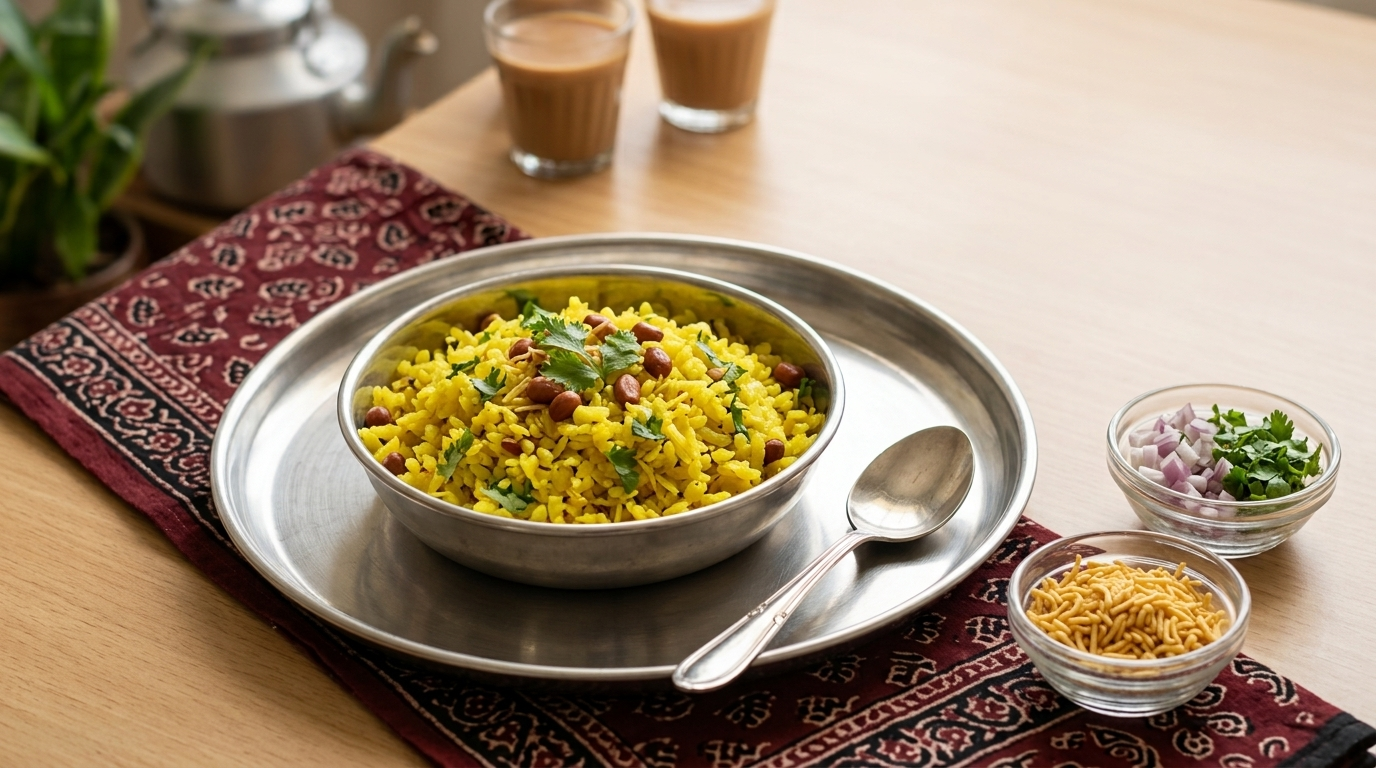
Poha recipe is one of the most loved Indian breakfast dishes that is quick to prepare, nutritious, and incredibly delicious. Whether you’re looking for a poha recipe Indian style, kanda poha recipe Gujarati style, or a poha recipe Maharashtrian style, this classic dish never disappoints. Made with flattened rice (poha), onions, peanuts, curry leaves, and aromatic spices, it is light on the stomach yet filling enough to keep you energized throughout the day.
In this detailed guide, you’ll learn everything about making the perfect poha, including poha recipe ingredients, cooking tips, health benefits, variations, and answers to the most common questions.
Why You’ll Love This Poha Recipe
This poha recipe is:
- Ready in just 20 minutes
- Perfect for breakfast or evening snacks
- Rich in carbohydrates, fiber, and protein
- Beginner-friendly
- Light, healthy, and easy to digest
- Easily customizable
- Suitable for weight-loss diets
Whether you’re a beginner or an experienced cook, this recipe will help you prepare restaurant-style poha at home.
What is Poha?
Poha is flattened rice made by parboiling rice and then flattening it into light flakes. It absorbs flavors beautifully while remaining soft and fluffy.
Across India, poha is prepared in many styles:
- Maharashtrian Kanda Poha
- Gujarati Kanda Poha
- Indori Poha
- Nagpur Poha
- South Indian Lemon Poha
Each version has its own unique flavors, but the basic cooking method remains almost the same.
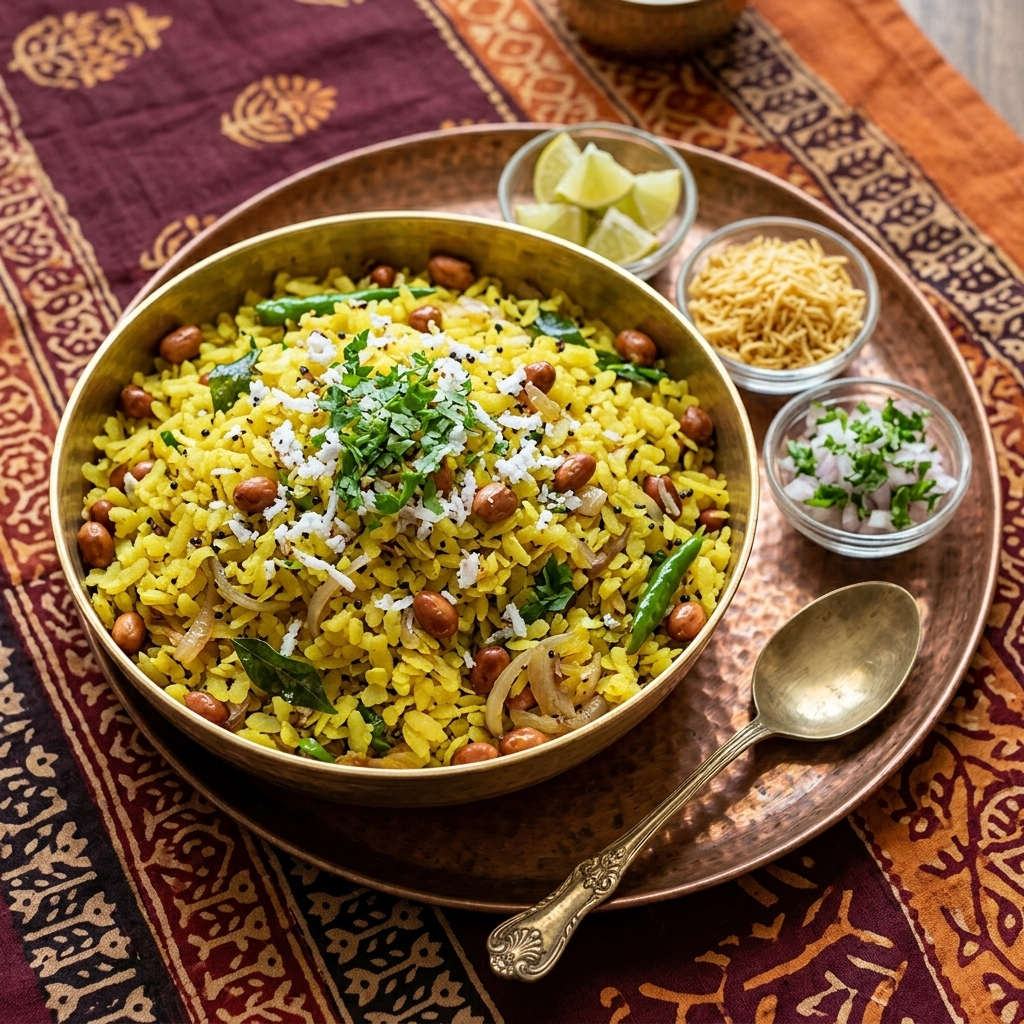
Poha Recipe Ingredients
The secret to delicious poha lies in using fresh ingredients.
Main Ingredients
- 2 cups thick poha (flattened rice)
- 2 medium onions (finely chopped)
- 2 green chilies (chopped)
- 2 tablespoons peanuts
- 10–12 curry leaves
- 2 tablespoons oil
- ½ teaspoon mustard seeds
- ½ teaspoon cumin seeds
- ¼ teaspoon turmeric powder
- Salt to taste
- 1 teaspoon sugar (optional)
- 2 tablespoons chopped coriander leaves
- Juice of half a lemon
Optional Ingredients
- Boiled potatoes
- Green peas
- Grated coconut
- Pomegranate seeds
- Sev
- Cashews
How to Choose the Best Poha
Thick Poha
Ideal for breakfast recipes because it remains fluffy after washing.
Thin Poha
Best for instant snacks but becomes mushy if soaked.
For this recipe, always use thick poha.
Poha Recipe Step by Step
Step 1: Wash the Poha
Place poha in a colander.
Rinse gently under running water for about 10–15 seconds.
Do not soak it for a long time.
Allow excess water to drain.
Let it rest for 5 minutes.
Step 2: Roast the Peanuts
Heat oil in a pan.
Add peanuts.
Roast until golden brown.
Remove and keep aside.
Step 3: Prepare the Tempering
In the same pan add:
- Mustard seeds
- Cumin seeds
- Curry leaves
- Green chilies
Let the mustard seeds crackle.
Step 4: Cook the Onion
Add chopped onions.
Cook until they become soft and slightly translucent.
Do not over-brown them.
Step 5: Add Spices
Mix in:
- Turmeric powder
- Salt
- Sugar (optional)
Cook for one minute.
Step 6: Add the Poha
Add the washed poha.
Mix gently using a flat spoon.
Avoid overmixing.
Cook for 2–3 minutes on low heat.
Step 7: Finish the Dish
Add:
- Roasted peanuts
- Lemon juice
- Fresh coriander
Mix gently.
Turn off the heat.
Serve hot.
Kanda Poha Recipe Gujarati Style
Gujarati-style kanda poha is slightly sweeter than the Maharashtrian version.
Additional Ingredients
- Sugar
- Lemon juice
- Fresh coriander
- Grated coconut
- Sev
The sweetness balances the tanginess perfectly, making it ideal for family breakfasts.
Poha Recipe Maharashtrian Style
Maharashtrian poha is famous for its simplicity.
Features
- Onion (Kanda)
- Curry leaves
- Peanuts
- Lemon
- Coriander
It is usually served with:
- Sev
- Fresh coconut
- Lemon wedges
This authentic version is commonly enjoyed with hot tea.
Poha Recipe in English
If you’re preparing poha for the first time, here’s a quick overview:
- Wash thick flattened rice.
- Roast peanuts.
- Prepare mustard and curry leaf tempering.
- Cook onions.
- Add turmeric and spices.
- Mix in poha.
- Finish with lemon and coriander.
Your delicious Indian breakfast is ready in less than 20 minutes.
Tips for Making Soft and Fluffy Poha
Use Thick Poha
Thin poha breaks easily.
Never Soak for Long
Only rinse briefly.
Mix Gently
Stir softly to prevent breaking.
Cook on Low Heat
High heat makes poha dry.
Add Lemon at the End
This keeps the flavor fresh and vibrant.
Common Mistakes to Avoid
Overwashing the Poha
Too much water makes it mushy.
Too Much Turmeric
It can make the dish bitter.
Cooking Too Long
Poha becomes dry and chewy.
Skipping Peanuts
They add crunch and protein.
Not Resting After Washing
Allow poha to soften naturally before cooking.
Poha Recipe for Weight Loss
Poha is considered one of the healthiest Indian breakfast options.
Why It Helps
- Low in calories
- Easy to digest
- Good source of carbohydrates
- Keeps you full longer
- Rich in iron
- Low in fat
For a healthier version:
- Use less oil.
- Add more vegetables like carrots, peas, capsicum, and beans.
- Skip sev.
- Use roasted peanuts in moderation.
One serving provides balanced energy without feeling heavy.
Nutritional Value (Approximate Per Serving)
| Nutrient | Amount |
|---|---|
| Calories | 250 kcal |
| Protein | 6 g |
| Carbohydrates | 35 g |
| Fat | 9 g |
| Fiber | 4 g |
| Iron | 12% DV |
| Vitamin C | 15% DV |
Nutritional values may vary depending on ingredients used.
Different Variations of Poha
Vegetable Poha
Add carrots, beans, peas, and capsicum.
Potato Poha
Mix boiled potatoes for a heartier meal.
Indori Poha
Top with:
- Sev
- Pomegranate
- Fennel
- Jeeravan Masala
Lemon Poha
Increase lemon juice for a tangy taste.
Coconut Poha
Add freshly grated coconut for South Indian flavors.
What to Serve with Poha
Poha tastes even better with:
- Hot masala chai
- Ginger tea
- Fresh curd
- Coconut chutney
- Green chutney
- Pickle
- Roasted papad
Storage Tips
Poha tastes best when served fresh.
If storing:
- Refrigerate in an airtight container for up to 2 days.
- Reheat using a sprinkle of water.
- Heat on low flame.
Avoid freezing.
Health Benefits of Poha
Easy to Digest
Perfect for children and elderly people.
Rich in Iron
Flattened rice naturally contains iron.
Provides Instant Energy
Excellent breakfast before work or school.
Gluten-Free
Suitable for people avoiding gluten (ensure certified gluten-free poha if required).
Budget-Friendly
Requires inexpensive ingredients found in almost every Indian kitchen.
Expert Tips for Restaurant-Style Poha
Roast peanuts separately.
Always use fresh curry leaves.
Add coriander only after switching off the flame.
Finish with lemon juice.
Garnish with fresh coconut and sev before serving.
These small tricks make a big difference in flavor and presentation.
Conclusion:
This poha recipe Indian style perfectly balances taste, nutrition, and simplicity. Whether you’re preparing kanda poha recipe Gujarati style, poha recipe Maharashtrian style, or looking for a poha recipe for weight loss, this versatile breakfast is an excellent choice. With fresh ingredients, simple techniques, and endless customization options, poha can become your go-to morning meal.
Follow this step-by-step guide to make soft, fluffy, and flavorful poha every single time. Once you master the basics, you can experiment with vegetables, spices, and regional toppings to create your own signature version.
Frequently Asked Questions (FAQs)
1. Which poha is best for this recipe?
Thick poha is recommended because it stays fluffy and does not become mushy.
2. Can I make poha without onions?
Yes. You can skip onions and still make delicious poha using peanuts, curry leaves, and spices.
3. Is poha good for weight loss?
Yes. Poha is light, filling, and low in calories when prepared with minimal oil and plenty of vegetables.
4. Can I add vegetables to poha?
Absolutely. Carrots, peas, beans, capsicum, corn, and potatoes all work well.
5. Why does my poha become sticky?
It is usually caused by soaking the poha for too long or using too much water.
6. Can poha be prepared in advance?
Yes. You can prepare it a few hours ahead and reheat it gently before serving.
7. What makes Maharashtrian poha different?
Maharashtrian poha focuses on simple flavors with onions, peanuts, curry leaves, lemon, coriander, and often a topping of fresh coconut and sev.
8. Is poha gluten-free?
Yes, poha is naturally gluten-free, but always check for cross-contamination if you have celiac disease or severe gluten sensitivity.
9. What can I serve with poha?
Poha pairs well with masala chai, ginger tea, curd, green chutney, or pickle.
10. Can I watch a poha recipe YouTube video before trying this recipe?
Yes, watching a poha recipe YouTube tutorial can help beginners understand the washing, tempering, and mixing techniques. However, following this detailed written guide will also help you achieve soft, fluffy, and flavorful poha at home.